

For Struggling Seniors with Delinquent Payments, Reverse Mortgages Might Make More Sense than Selling
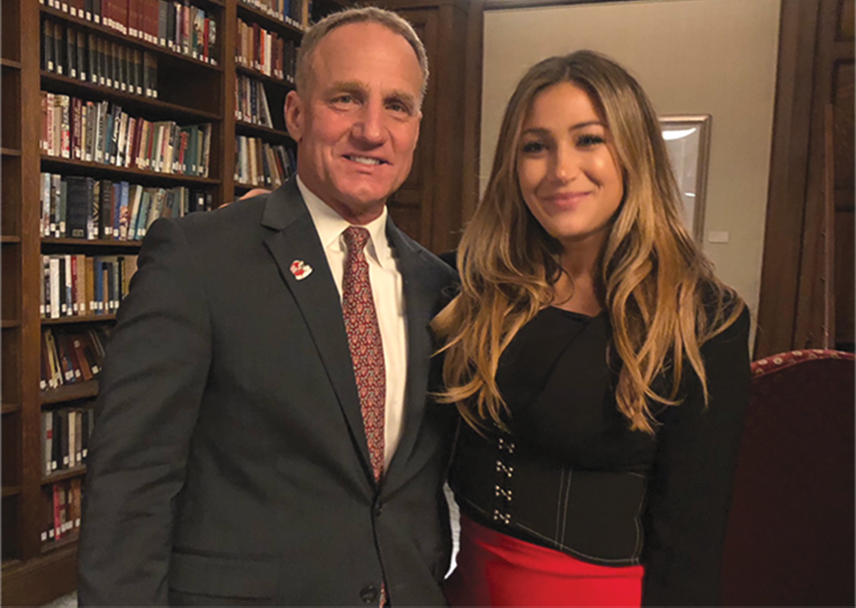
Father-Daughter Team

Saving a Life

Reverse mortgage expert says homeowners 62+ with substantial equity may still have options—even if behind on mortgage payments.
ORANGE COUNTY, CA, UNITED STATES, July 20, 2026 /EINPresswire.com/ -- As senior homeowners continue to face financial pressure from inflation, elevated borrowing costs and rising household expenses, reverse mortgage expert Paul E. Scheper, CRMP, CSA, SRES, is drawing attention to a little-known use of a reverse mortgage: helping qualified older homeowners who have fallen behind on their existing mortgage payments.
Many homeowners mistakenly believe that being three, four or even six months delinquent on a mortgage automatically eliminates the possibility of qualifying for a reverse mortgage. According to Scheper, that is not necessarily the case.
"For a senior homeowner with substantial equity, falling behind on mortgage payments doesn't always mean the end of the road," said Scheper. "I've helped seniors who were overwhelmed by the stress of missed payments and afraid of losing the home they love. In the right circumstances, a reverse mortgage can potentially pay off the delinquent mortgage and replace it with a new loan that does not require monthly principal-and-interest mortgage payments."
Scheper emphasizes that homeowners experiencing financial difficulty should explore their options as early as possible, before the situation progresses further toward foreclosure.
Five Things Senior Homeowners Should Know About Reverse Mortgages
1. You continue to own your home.
A reverse mortgage does not mean giving your home to the bank. The homeowner retains title and ownership and may remain in the home as long as the loan requirements are met.
2. Monthly principal-and-interest mortgage payments are not required.
Existing mortgages and liens generally must be satisfied at closing. Once the reverse mortgage is in place, the homeowner is not required to make monthly principal-and-interest mortgage payments. The homeowner must continue to pay property taxes, homeowners insurance, applicable property charges and maintain the home.
3. You must meet age and occupancy requirements.
For an FHA-insured Home Equity Conversion Mortgage (HECM), borrowers generally must be at least 62 years old, and the home must be their principal residence. HUD-approved reverse mortgage counseling is also required.
4. You need sufficient home equity.
The amount available through a reverse mortgage depends on several factors, including the age of the youngest borrower or eligible non-borrowing spouse, current interest rates and the home's value, subject to FHA's applicable lending limits. Homeowners with an existing mortgage need sufficient proceeds to pay off that loan and other required obligations.
5. The little-known fact: Being behind on your mortgage may not automatically disqualify you.
A senior homeowner who is several months behind on mortgage payments may still potentially qualify for a reverse mortgage. If sufficient proceeds are available and all program and underwriting requirements are satisfied, the reverse mortgage may be used to pay off the delinquent loan—potentially providing the homeowner with a path forward before the situation becomes a foreclosure crisis.
"People sometimes come to me embarrassed because they're three, four or even six months behind," Scheper said. "My message is simple: Don't hide from the problem, and don't assume it's too late. If you're 62 or older and have substantial equity in your home, get the facts and find out what options may still be available."
Scheper cautions that a reverse mortgage is not appropriate for everyone, and qualification is not guaranteed. However, for equity-rich seniors struggling with an unaffordable mortgage payment, it may provide an opportunity to stabilize monthly cash flow and remain in the home.
"A reverse mortgage shouldn't automatically be viewed as a last resort," Scheper said. "For the right homeowner, it can be a valuable financial planning tool. And for a senior who has fallen behind on mortgage payments after spending decades building equity, it may become a financial life raft. The key is to act early, get the facts and explore your options before the problem becomes a crisis."
About Paul E. Scheper
Paul E. Scheper, CRMP, CSA, SRES, is a Southern California mortgage and reverse mortgage professional specializing in helping homeowners age 62 and older understand retirement financing strategies using both federally insured Home Equity Conversion Mortgages (HECMs) and proprietary jumbo reverse mortgage programs. Through education and personalized guidance, he helps seniors and their families understand their options and make informed financial decisions before financial challenges become emergencies.
Paul E Scheper
Loangevity Mortgage
+1 800-662-6784
Info@loangevitymortgage.com
Visit us on social media:
LinkedIn
Instagram
Facebook
YouTube
X
Legal Disclaimer:
EIN Presswire provides this news content "as is" without warranty of any kind. We do not accept any responsibility or liability for the accuracy, content, images, videos, licenses, completeness, legality, or reliability of the information contained in this article. If you have any complaints or copyright issues related to this article, kindly contact the author above.
