

Exterior Awnings Contribute to Effective Shade Design in Residential Architecture
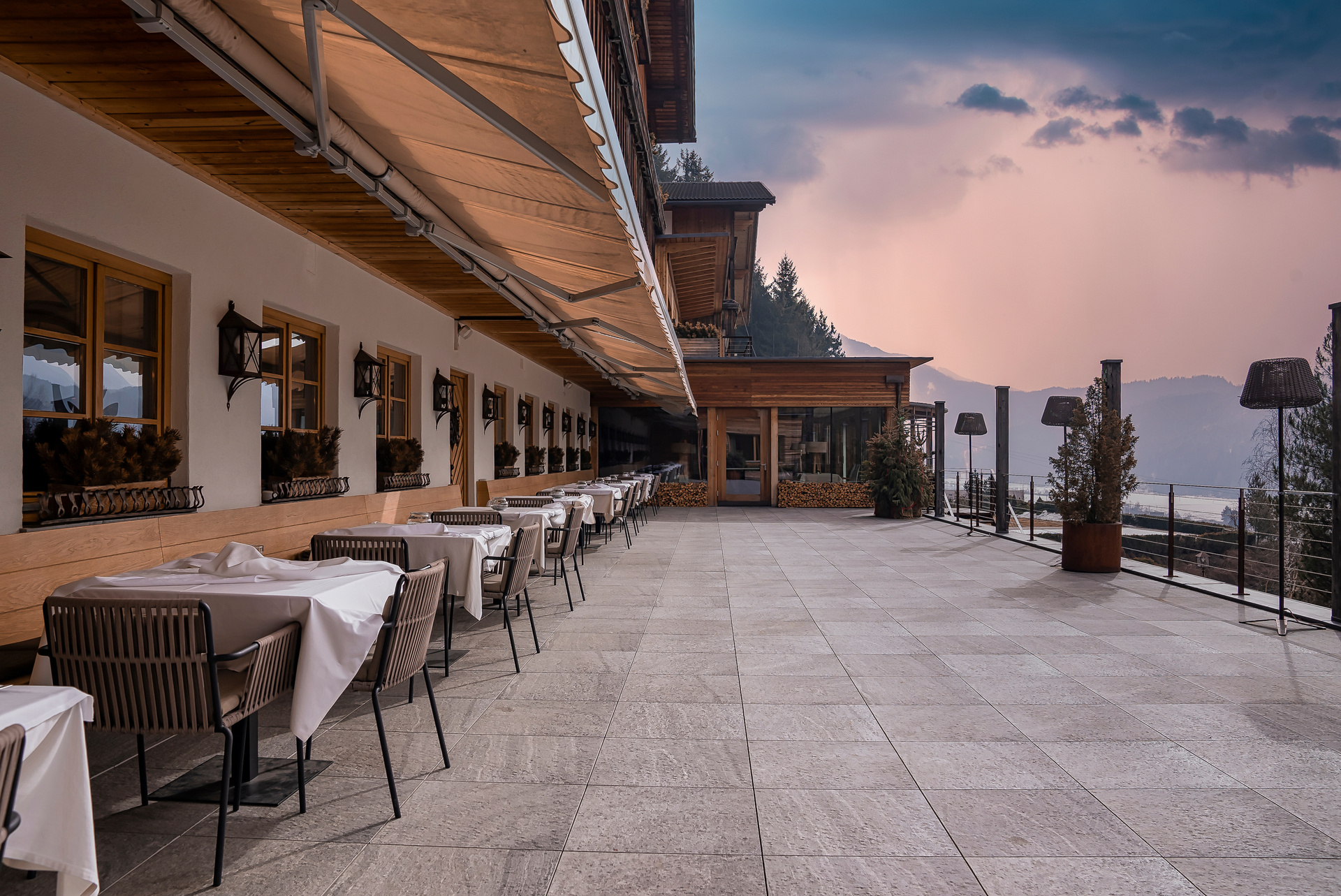

Exterior awnings help manage sunlight exposure while contributing to the overall design of a home’s exterior”
BATON ROUGE, LA, UNITED STATES, March 19, 2026 /EINPresswire.com/ -- Exterior awnings have long been incorporated into residential architecture as a practical solution for managing sunlight and providing shade around homes. Installed above windows, doors, patios, and outdoor living spaces, awnings create shaded areas that influence both outdoor comfort and indoor temperature conditions.— Michael Matthews
Residential shade design often focuses on controlling how sunlight enters and interacts with the structure of a home. Sunlight provides natural illumination and warmth, yet prolonged exposure to direct solar radiation can increase indoor temperatures and contribute to glare and heat buildup inside living spaces. Exterior awnings offer one approach to moderating this effect by creating a physical barrier that blocks or redirects sunlight before it reaches windows and doors.
The placement of awnings plays an important role in how effectively they manage sunlight exposure. South-facing and west-facing windows typically receive the most intense sunlight during the day, particularly in warmer climates. Installing awnings above these openings can reduce the amount of solar radiation entering interior spaces during peak daylight hours.
By intercepting sunlight before it reaches glass surfaces, awnings help reduce the amount of heat transferred through windows. Glass allows sunlight to pass into interior rooms, where the energy is absorbed by furniture, flooring, and other materials. This absorbed energy can raise indoor temperatures, particularly during summer months.
Exterior shading structures limit this process by preventing direct sunlight from striking the window surface. As a result, less solar heat enters the home, contributing to more stable interior conditions during warm weather.
Awnings also influence outdoor living areas surrounding residential structures. Patios, decks, and entryways often benefit from shaded coverage that allows occupants to spend time outdoors while remaining protected from direct sun exposure. These shaded areas can make outdoor spaces more usable during midday hours when sunlight is strongest.
Various awning designs are available to accommodate different architectural styles and shade requirements. Fixed-frame awnings remain permanently extended over windows or entryways, providing consistent shade throughout the day. Retractable awnings offer adjustable coverage that can be extended when shade is desired and retracted when direct sunlight is preferred.
Materials used in awning construction typically include metal frames paired with fabric or rigid covering surfaces. Modern fabrics designed for outdoor use are often engineered to withstand sun exposure, moisture, and temperature fluctuations. These materials help maintain structural stability and appearance over time.
Color selection can also influence the performance of awnings. Lighter-colored fabrics tend to reflect a larger portion of sunlight, while darker fabrics absorb more solar radiation. Homeowners and designers may consider these characteristics when selecting awning materials for particular locations.
In addition to managing sunlight, awnings can provide limited protection from light rain near doorways and windows. This feature can help keep entry areas dry and reduce the amount of rainwater that reaches exterior doors during passing showers.
Residential shade design often incorporates multiple elements working together. Trees, landscaping features, overhangs, and exterior awnings may all contribute to managing how sunlight interacts with the home throughout the day. Each of these elements plays a role in shaping the thermal behavior of the building envelope.
Architects and designers frequently consider seasonal sun angles when determining awning placement. During summer months, the sun travels higher in the sky, allowing properly positioned awnings to block direct sunlight while still permitting natural daylight to illuminate interior spaces. In cooler months, when the sun sits lower on the horizon, sunlight may pass beneath the awning and provide additional warmth indoors.
Michael Matthews, President and Chief Executive Officer of Awning World in Baton Rouge, Louisiana, notes that exterior awnings serve both functional and architectural purposes in residential design.
“Exterior awnings help manage sunlight exposure while contributing to the overall design of a home’s exterior,” said Michael Matthews, President and Chief Executive Officer of Awning World in Baton Rouge, Louisiana. “Placement, material selection, and orientation all influence how effectively awnings provide shade and support indoor comfort.”
In warmer regions such as Louisiana, managing solar heat gain remains an important part of residential design. Homes exposed to extended periods of sunlight may experience higher indoor temperatures if shading strategies are not incorporated into the building envelope.
Awnings provide one method of addressing this challenge while maintaining natural daylight inside the home. By reducing glare and direct sunlight through windows, awnings contribute to visual comfort in interior spaces such as living rooms, kitchens, and bedrooms.
Maintenance requirements for awnings typically include periodic inspection of mounting hardware, cleaning of fabric surfaces, and monitoring for signs of wear caused by weather exposure. Proper care helps ensure that awning materials remain stable and continue performing their shading function over time.
Exterior awnings therefore represent both a practical and architectural element in residential shade design. Through thoughtful placement and material selection, these structures help regulate sunlight exposure, support outdoor comfort, and contribute to the overall appearance of residential properties.
Morgan Thomas
Rhino Digital, LLC
+1 504-875-5036
email us here
Visit us on social media:
Facebook
Legal Disclaimer:
EIN Presswire provides this news content "as is" without warranty of any kind. We do not accept any responsibility or liability for the accuracy, content, images, videos, licenses, completeness, legality, or reliability of the information contained in this article. If you have any complaints or copyright issues related to this article, kindly contact the author above.
