

Understanding Roof Leaks and the Early Signs Homeowners Should Recognize

Roof leaks almost never begin as emergencies. They start as small changes that grow quietly. ”
WISCONSIN RAPIDS, WI, UNITED STATES, January 16, 2026 /EINPresswire.com/ -- Roof leaks rarely begin with visible water dripping from ceilings. In most cases, leaks develop gradually, originating from small weaknesses that expand over time. Understanding what causes roof leaks and how to recognize early warning signs allows homeowners to address problems before structural damage occurs.— Thad Brown
Roof systems function as layered barriers. Shingles, underlayment, flashing, ventilation, and decking work together to manage water, temperature, and airflow. When any component becomes compromised, moisture can enter the system and travel along unseen pathways before becoming noticeable inside the home.
One of the most common causes of roof leaks is shingle deterioration. Exposure to sun, wind, snow, and temperature fluctuation causes shingles to crack, curl, or lose granules. Once the protective surface weakens, water penetration becomes more likely.
Flashing failure is another frequent source of leaks. Flashing seals roof transitions around chimneys, vents, skylights, and valleys. Over time, flashing can loosen, corrode, or separate from surrounding materials. These areas become entry points during rainfall or melting snow.
Roof penetrations also contribute to leaks. Plumbing vents, exhaust pipes, and mounting hardware require sealed connections. Sealant aging or improper installation can allow water to pass through these openings.
Ice dams represent a seasonal risk in colder climates. When heat escapes through the roof, snow melts and refreezes near roof edges. This buildup prevents proper drainage and forces water beneath shingles and into the roof structure.
Clogged gutters can also create leak conditions. When water cannot drain properly, it backs up under roof edges and into fascia and decking areas. Prolonged moisture exposure weakens wood components and encourages rot.
Improper ventilation accelerates roof deterioration. Trapped heat and moisture inside attic spaces cause materials to age prematurely. Condensation may mimic roof leaks even when exterior materials appear intact.
Storm damage introduces additional risk. Wind can lift shingles, hail can fracture surfaces, and falling debris can puncture roofing layers. Damage from storms is often subtle and easily overlooked during ground-level inspections.
Roof age plays a significant role. Even properly installed roofs reach a point where materials lose flexibility and strength. Aging systems become more vulnerable to minor environmental stress.
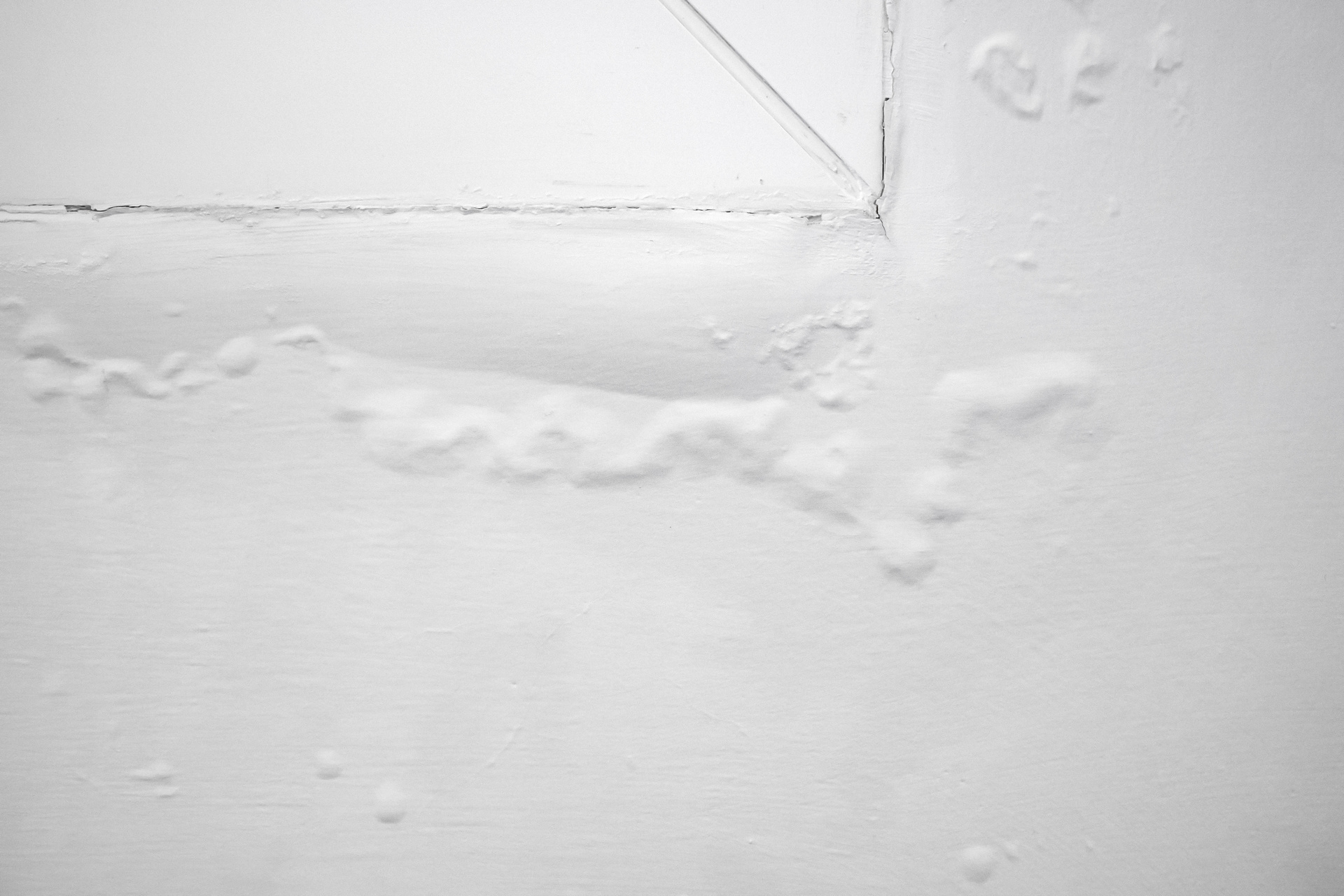
Interior warning signs often appear before exterior damage is obvious. Water stains on ceilings or walls, peeling paint, bubbling drywall, and musty odors indicate moisture intrusion. These symptoms should never be ignored, even if active dripping is not present.
Attic inspections reveal early indicators as well. Damp insulation, darkened wood, visible mold growth, and light passing through decking confirm roof system compromise.
Roof leaks also travel. Water rarely enters directly above the visible stain. It often follows rafters, decking seams, and framing components before appearing inside living spaces. This makes professional evaluation important when symptoms arise.
Preventive awareness remains the most effective protection. Periodic visual inspections, especially after severe weather, help identify early changes. Binoculars or drone images can assist with safe observation from the ground.
Documentation also supports early detection. Photographing roof conditions over time allows comparison and identification of gradual deterioration.
Thad Brown, owner and founder of Dynamic Alliance Roofing LLC in Wisconsin Rapids, Wisconsin, has spent more than forty years working in roofing and emphasizes that early attention makes a measurable difference.
“Roof leaks almost never begin as emergencies. They start as small changes that grow quietly. Recognizing those changes early allows homeowners to address problems before major damage develops,” said Brown.
Brown also notes that many leaks are preventable through routine awareness.
“Most roof systems provide warning signs long before failure occurs. Paying attention to those signs protects both the roof and the structure beneath it,” Brown said.
Seasonal monitoring improves early detection:
Spring: Check for winter-related cracking and flashing movement.
Summer: Look for heat-related curling and granule loss.
Fall: Clear gutters and inspect transition points.
Winter: Monitor interior ceilings and attic areas for moisture.
Professional inspections provide further clarity when warning signs appear. Trained evaluators can identify hidden weaknesses and confirm whether repairs are necessary.
Roof leaks affect more than roofing materials. Moisture intrusion can compromise insulation performance, electrical components, framing integrity, and indoor air quality. Early correction limits these secondary impacts.
Homeowners often delay inspection because leaks seem minor. Unfortunately, moisture rarely remains minor. What begins as a small stain can evolve into widespread structural deterioration if left unaddressed.
Understanding roof leak causes encourages proactive care rather than reactive repair. Awareness shifts maintenance from crisis response to preventive management.
Roof systems are designed to protect homes through decades of exposure. That protection depends on attention to detail and early response to change.
Leaks are not sudden events. They are processes.
Recognizing that process allows homeowners to maintain control over repairs, costs, and long-term performance.
As Brown explains, longevity depends on observation.
“Roofs last longer when small problems are addressed early. Attention is the most effective maintenance tool available,” Brown said.
Roof leak prevention does not require technical expertise. It requires awareness, consistency, and willingness to act when subtle changes appear.
When homeowners understand what causes roof leaks and how to spot them early, they gain the ability to protect their homes with confidence rather than reaction.
In roofing, prevention remains the most reliable form of protection.
Morgan Thomas
Rhino Digital, LLC
+1 504-875-5036
email us here
Visit us on social media:
Facebook
Legal Disclaimer:
EIN Presswire provides this news content "as is" without warranty of any kind. We do not accept any responsibility or liability for the accuracy, content, images, videos, licenses, completeness, legality, or reliability of the information contained in this article. If you have any complaints or copyright issues related to this article, kindly contact the author above.
