

How Routine Home Cleaning Supports Healthier Indoor Air in Louisiana Residences
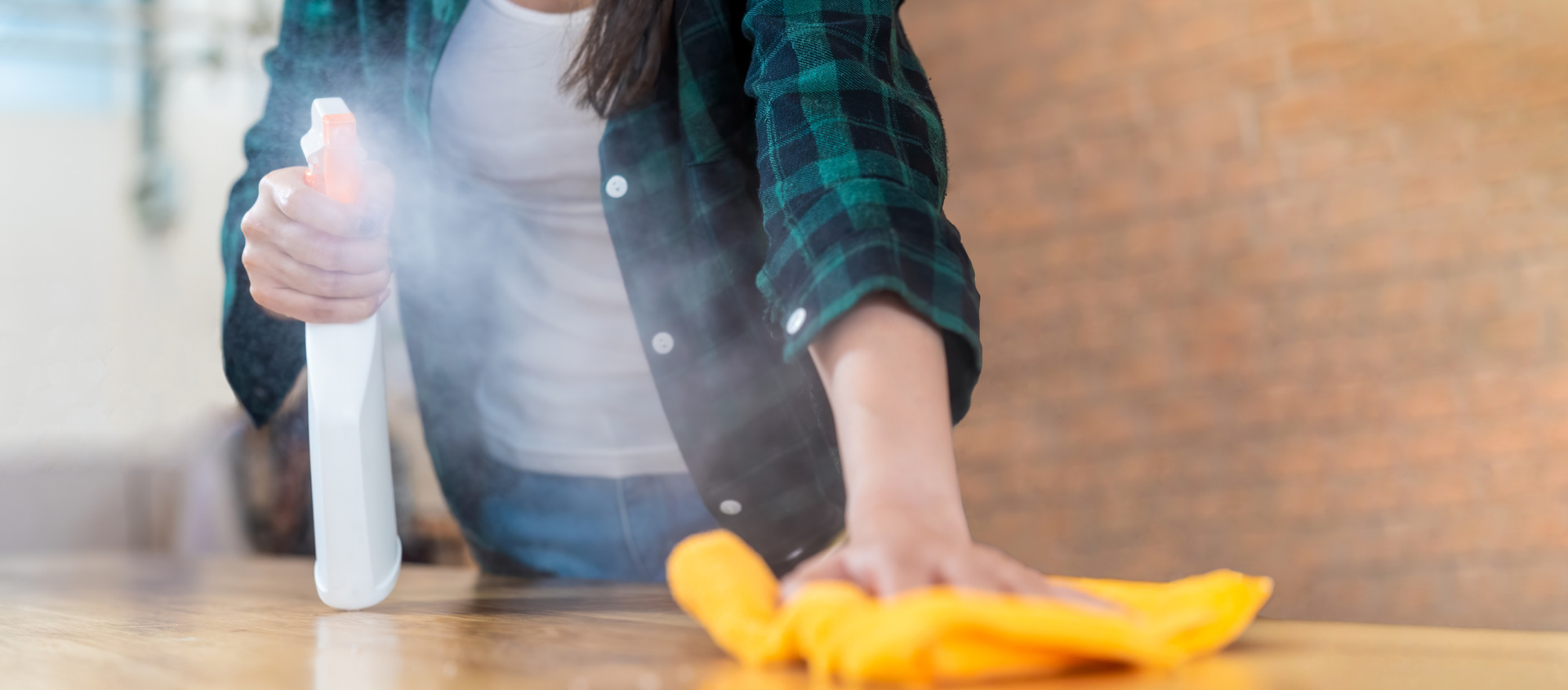
Indoor air quality is not just about filters and machines. Every surface inside a home contributes to what ends up in the air. ”
BATON ROUGE, LA, UNITED STATES, January 16, 2026 /EINPresswire.com/ -- Indoor air quality plays a quiet but significant role in daily health, comfort, and overall home maintenance. In Louisiana, where humidity, pollen, and seasonal mold are common environmental factors, routine home cleaning has a direct impact on the air people breathe inside their homes.— Falesity Mecca
Dust, pet dander, pollen, and microscopic mold spores settle continuously on floors, furniture, vents, and soft surfaces. Without regular removal, these particles become airborne through everyday movement such as walking, opening doors, or running ceiling fans. Over time, this circulation contributes to respiratory irritation, allergy symptoms, and lingering odors.
Routine cleaning interrupts that cycle.
Vacuuming with proper filtration, wiping hard surfaces, laundering fabrics, and addressing moisture-prone areas all reduce the amount of particulate matter available to re-enter the air. Even simple tasks such as consistent dusting prevent buildup that otherwise migrates into ventilation systems and circulates throughout a home.
Louisiana’s climate presents unique challenges. High humidity encourages mold growth in bathrooms, kitchens, and enclosed spaces. Storm seasons introduce additional debris, spores, and outdoor pollutants that are easily tracked indoors. Homes near busy roadways, construction zones, or heavily wooded areas often experience higher indoor particle accumulation.
According to environmental health studies, indoor air can contain two to five times more pollutants than outdoor air. While many homeowners focus on air purifiers and HVAC filters, surface cleanliness remains one of the most practical contributors to air quality improvement.
Soft furnishings deserve particular attention. Upholstery, curtains, rugs, and bedding act as reservoirs for allergens and dust. Without routine care, these materials continuously release particles back into the environment. Regular laundering, vacuuming, and surface treatment reduce this effect and support cleaner airflow.
Bathrooms and kitchens also influence indoor air. Moisture left behind after showers or cooking encourages microbial growth. Proper surface drying, routine disinfecting, and attention to grout and corners limit airborne mold spores that can otherwise spread throughout a home.
Air vents and ceiling fan blades represent another overlooked factor. Dust accumulation in these areas becomes airborne each time systems operate. Cleaning these surfaces reduces recirculation and supports HVAC efficiency at the same time.
Falesity Mecca, owner of Mid City Cleaning of Baton Rouge, notes that many residents underestimate how closely surface cleanliness and air quality are connected.
“Indoor air quality is not just about filters and machines. Every surface inside a home contributes to what ends up in the air. When dust and moisture are allowed to settle and build up, those particles eventually become airborne again. Consistent cleaning removes the source before it becomes part of the breathing environment,” said Mecca.
Children, older adults, and individuals with asthma or allergies are especially sensitive to indoor air conditions. Reducing airborne irritants through routine cleaning can support fewer respiratory flare-ups and improved daily comfort. Even households without known sensitivities benefit from fresher air and reduced odor retention.
Seasonal changes further highlight the importance of maintenance. Spring pollen, summer humidity, fall debris, and winter indoor confinement all influence air quality differently. Cleaning routines adjusted to seasonal conditions help maintain balance throughout the year.
For example:
Spring cleaning removes pollen tracked indoors.
Summer maintenance focuses on moisture control.
Fall routines reduce dust and leaf particles.
Winter attention limits indoor dust accumulation from closed environments.
In addition to health considerations, indoor air quality affects the long-term condition of a home. Dust buildup contributes to HVAC strain, surface wear, and fabric degradation. Regular care preserves both air quality and material longevity.
Cleaning products also matter. Low-residue, non-irritating solutions reduce chemical contributions to indoor air while still addressing bacteria and allergens. Proper ventilation during cleaning further supports safe indoor conditions.
Mecca adds that consistency matters more than intensity.
“Air quality improves when cleaning becomes part of a routine, not just an occasional deep project. Small, regular efforts prevent large accumulations that are harder to manage later,” Mecca said.
The connection between cleanliness and air quality continues to gain attention as homeowners place greater focus on wellness inside their living spaces. With Louisiana’s climate and environmental conditions, proactive care remains one of the most accessible methods for maintaining healthier indoor air.
Routine home cleaning does not eliminate every airborne pollutant, but it significantly reduces the load that circulates daily. Over time, this results in fresher environments, improved comfort, and better overall indoor living conditions.
Morgan Thomas
Rhino Digital, LLC
+1 504-875-5036
email us here
Visit us on social media:
Facebook
Legal Disclaimer:
EIN Presswire provides this news content "as is" without warranty of any kind. We do not accept any responsibility or liability for the accuracy, content, images, videos, licenses, completeness, legality, or reliability of the information contained in this article. If you have any complaints or copyright issues related to this article, kindly contact the author above.
